Choosing when to visit Norway is less about finding one universally best season and more about deciding which experience matters most to you. Think first about the landscapes and activities you hope to enjoy, then consider how much daylight, warmth, and flexibility you need. A winter journey and a summer trip can both be memorable, but they offer notably different ways to experience the country.
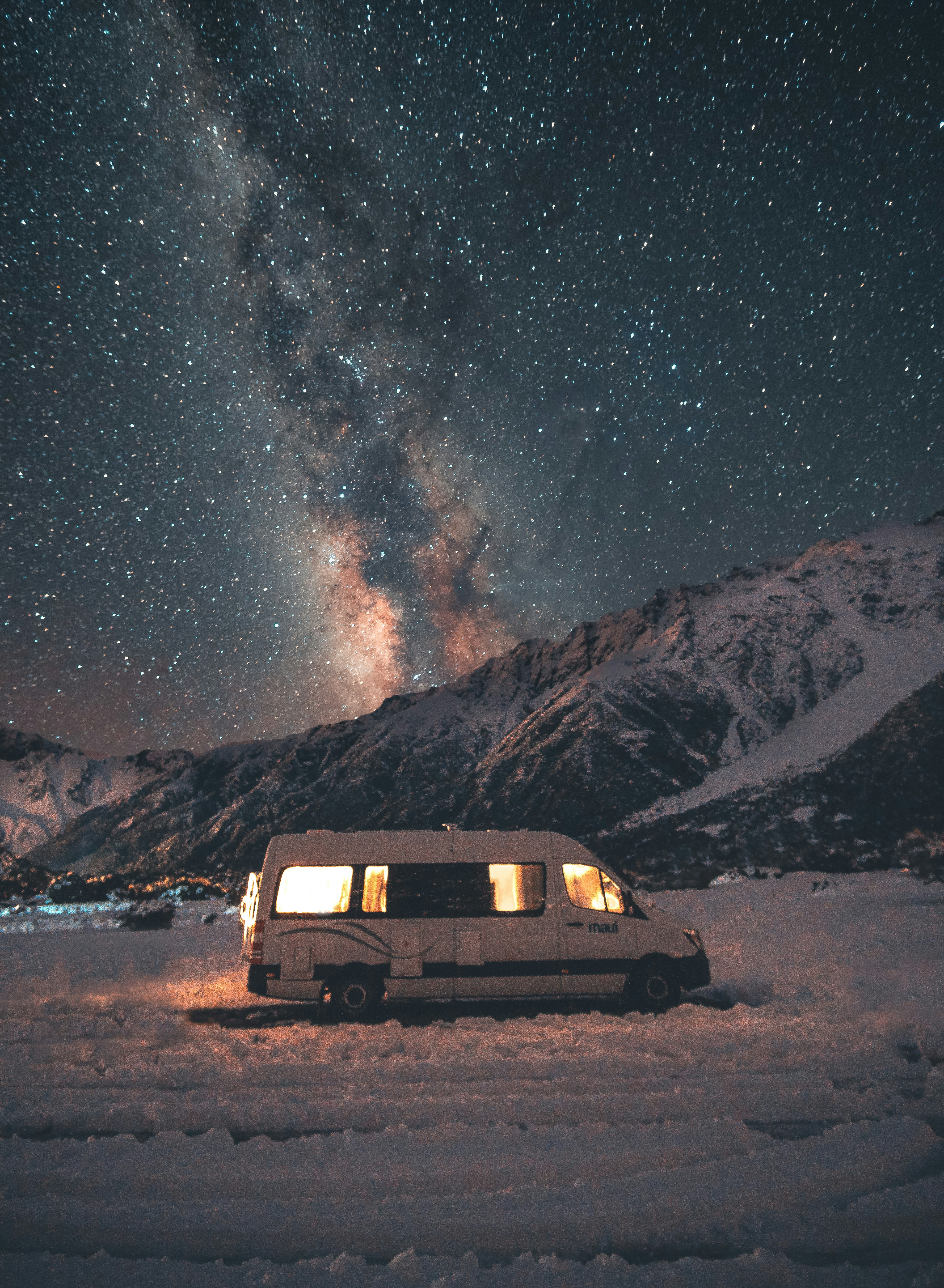
Winter is a strong choice if you are drawn to snow-covered scenery, a distinctly Arctic atmosphere, and the possibility of seeing the Northern Lights. Darker skies create favorable viewing opportunities in northern regions, though auroras are a natural phenomenon and cannot be guaranteed. Cold temperatures, snow, and shorter days also shape what is practical each day, so travelers should be comfortable dressing for winter conditions and allowing time for weather-related changes.
Summer suits visitors who want long daylight hours, milder conditions, and more time outdoors. Extended evenings can leave room for hiking, sightseeing, scenic drives, and enjoying Norway’s varied natural settings without rushing. The season is especially appealing if you prefer a wider range of outdoor activities and less exposure to severe cold. However, summer does not mean constant sunshine or reliably warm weather.
Conditions vary considerably between coastal areas, inland valleys, mountains, and the far north, and weather can change quickly in either season. Rain, wind, snow, or sudden temperature shifts may affect plans, whatever month you travel. Rather than assuming that one period guarantees ideal conditions, weigh the scenery you want against available daylight, planned activities, personal comfort, and your tolerance for cold. If northern lights and snowy landscapes top your list, winter may be the better fit; if hiking and long days appeal more, summer may suit you. Matching the season to your priorities makes it easier to plan a satisfying trip and choose suitable transport, clothing, and daily itineraries.
Winter in Norway offers a distinct kind of travel experience, particularly in the north, where long nights provide more opportunities to search for the northern lights. Places such as Tromsø and the Lofoten Islands draw visitors hoping to see the aurora borealis against a dark Arctic sky. The season also transforms familiar scenery: snow-covered mountains, quiet fishing villages, and fjords framed by winter light create a dramatic setting. With fewer visitors than during the busiest summer months, some areas feel especially peaceful, although popular destinations can still attract substantial numbers of travelers.
An aurora sighting is never guaranteed. The lights depend on solar activity, while clear, dark skies and a suitable viewing location improve the chances of seeing them. Cloud cover can obscure the sky for hours or even several nights, so a planned excursion may not produce a view. Patience is important: travelers may need to wait outdoors, move to a clearer area, or try again on another evening. Checking forecasts can help guide decisions, but neither weather predictions nor aurora alerts can promise a display. Building several possible viewing nights into a trip is more practical than relying on one fixed outing.
Winter conditions also shape the wider journey. Temperatures can be low, daylight hours are short, and snow or ice may make roads slippery and driving slower than expected. Warm, layered clothing, insulated footwear, gloves, and a hat help make time outside more comfortable. A flexible itinerary allows room for changing weather, cautious travel, and rest after late nights. These realities may not suit every visitor, but they are part of the season’s character. For travelers prepared for cold and limited daylight, winter can be rewarding: it brings a quieter pace, striking landscapes, and the possibility of witnessing one of nature’s most memorable displays.
Summer is often the most comfortable season for travelers who want to spend much of each day outdoors. Milder conditions and extended daylight make it easier to combine activities without rushing, whether the plan is a short walk, a longer hike, or a stop at a viewpoint. In northern Norway, the midnight sun keeps the landscape bright around the clock for part of the summer, creating unusual opportunities to explore late in the evening. Farther south, long days still provide generous time for sightseeing and relaxing between destinations.
These extra hours suit Norway’s varied outdoor experiences. Travelers can hike through valleys or along coastal trails, visit fjords by road or boat, and take scenic drives at a measured pace. Summer is also a popular time for camping, when many visitors can enjoy evenings outside and make the most of campsites near water or mountain scenery. Along the coast, boat trips, fishing, and wildlife watching may add another dimension to a journey. A campervan can make it simpler to adjust plans, pause at appealing places, and settle in without needing to reach each stop before nightfall.
Long daylight is especially useful for a relaxed campervan itinerary: driving, exploring, and finding a place to stay can fit into the day more naturally. It does not, however, guarantee warm or dry weather. Rain can arrive at any time, and temperatures may feel cool, particularly in the mountains and near the sea, so layered clothing and waterproof gear remain practical. Popular fjords, roads, and attractions can also be busy during peak holiday periods; starting early or choosing less-visited stops may help. Some high mountain roads and remote routes have seasonal opening dates or access restrictions, so check current conditions before setting out. With flexible planning, summer’s usable daylight can make outdoor travel feel spacious, even when weather or traffic calls for a change of pace.
A compact campervan can make travel in Norway flexible, but whether it is comfortable depends on the season, your itinerary, and how much time you expect to spend inside. Before booking, compare the vehicle’s layout with the needs of everyone travelling. A small model may be convenient on narrow roads and easier to park, yet sleeping arrangements, storage, and indoor space can feel limited during a long trip or unsettled weather.
In summer, check that the van provides adequate sleeping space and ventilation, especially if you are travelling with several people. Confirm how overnight stays are regulated along your intended route: rules differ between campsites, designated parking areas, and other locations, and access should never be assumed. Popular destinations can be busy, so reserve campsites and other essential stops in advance where possible. A compact vehicle is often practical for scenic drives, but comfort still matters when daylight hours are long and plans keep you on the move.
Winter calls for more careful vehicle and route checks. Confirm that the campervan is equipped for snow and freezing temperatures, and ask the rental provider about tyres, heating, and any seasonal restrictions. Learn about winter driving conditions before setting out; snow, ice, wind, and limited visibility can make journeys slower and more demanding. Check current road and ferry updates frequently, allow time for delays, and avoid mountain roads or other routes that exceed your experience. If conditions deteriorate, changing plans is safer than pressing on.
In either season, pack for variable weather, including warm layers and waterproof clothing, even when the forecast looks settled. Build flexible travel days into your schedule so that poor weather, road closures, or ferry changes do not force rushed driving. Rather than trying to cover the whole country, choose a few regions and explore them at a manageable pace. As a practical rule, choose summer for easier travel and longer days outdoors; choose winter for a more demanding, aurora-focused adventure, while remembering that a Northern Lights sighting is never guaranteed.