
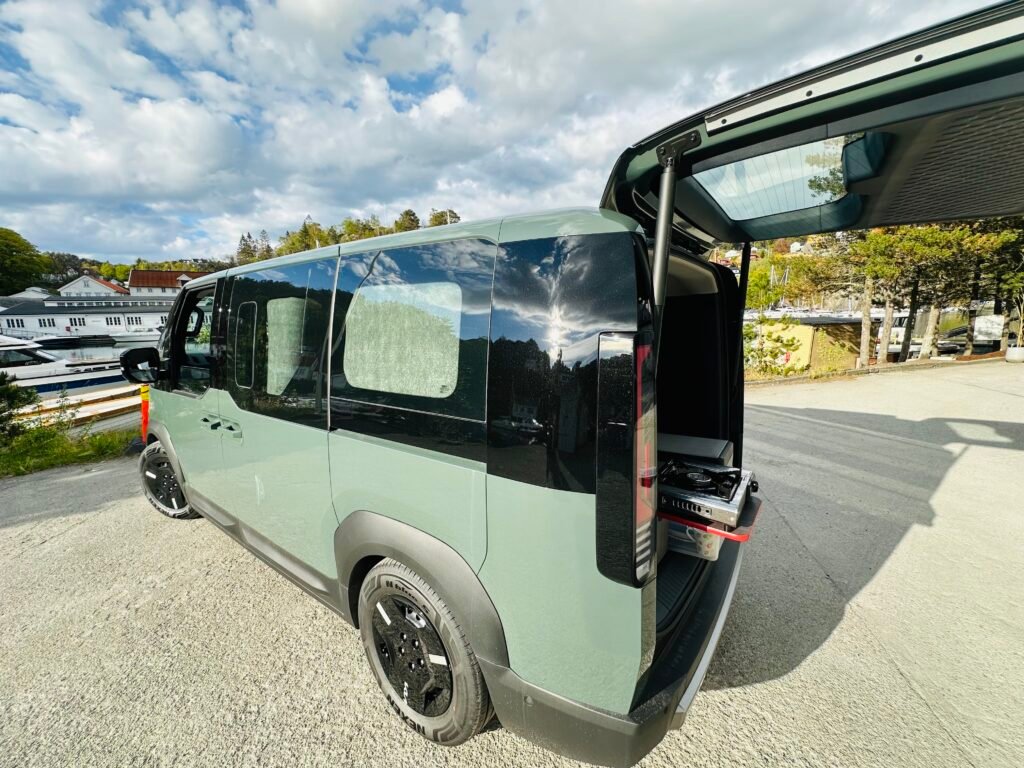
What You Need to Know Before Arranging Your Campervan Hire in Europe
Booking a campervan hire in Europe is the ultimate way to unlock complete travel freedom across the continent. There is nothing quite like driving through majestic alpine passes, cruising along Mediterranean coastlines, and sleeping under the stars in remote locations. However, navigating international highways in a larger vehicle can feel overwhelming for first-time drivers. Taking the time to understand standard continental road logistics before launching your holiday ensures a safe, smooth, and incredibly relaxing journey from your very first day on the road.
Before confirming your vehicle booking, organizing your transit logistics through an established rental platform ensures that your vehicle comes fully equipped with necessary campsite adapters, safety kits, and modern living amenities. This professional preparation allows you to focus purely on planning your scenic route, managing your personal travel budget, and enjoying the open road. Setting up a comprehensive pre-departure safety checklist guarantees an easy transition into the satisfying world of European van life exploration.
Top 5 Driving Tips for Your Campervan Hire in Europe
- Monitor Vehicle Dimensions: Motorhomes and converted vans are significantly taller and wider than regular cars. Always write down your vehicle’s exact height and width in metric units to avoid unexpected complications at low clearance bridges, automated toll booths, and narrow village streets.
- Master Manual Low Gear Downhills: When navigating steep mountain descents, avoid riding your brakes constantly to prevent dangerous overheating. Shift your transmission into a lower gear manually to utilize engine braking, keeping your vehicle completely stable and your brakes cool.
- Understand Border Crossings and Tolls: Moving between European nations is generally seamless, but toll collection methods vary widely. Some regions utilize electronic transponders, while others require physical vignettes displayed on your windshield. Researching these transit requirements ahead of time keeps your journey fully compliant.
- Practice Low-Speed Maneuvers: Take ten minutes in a quiet parking lot to familiarize yourself with the vehicle’s blind spots, wide turning radius, and rear visibility before heading into dense city traffic. Having a travel partner step outside to guide you during tight parallel parking is always highly recommended.
- Plan Your Overnight Stops Safely: While wild camping is legal in specific regions, many European countries enforce strict overnight parking restrictions. Utilize dedicated digital maps and campsite directories to locate verified camper stops, ensuring you always secure a legal and comfortable place to park for the night.
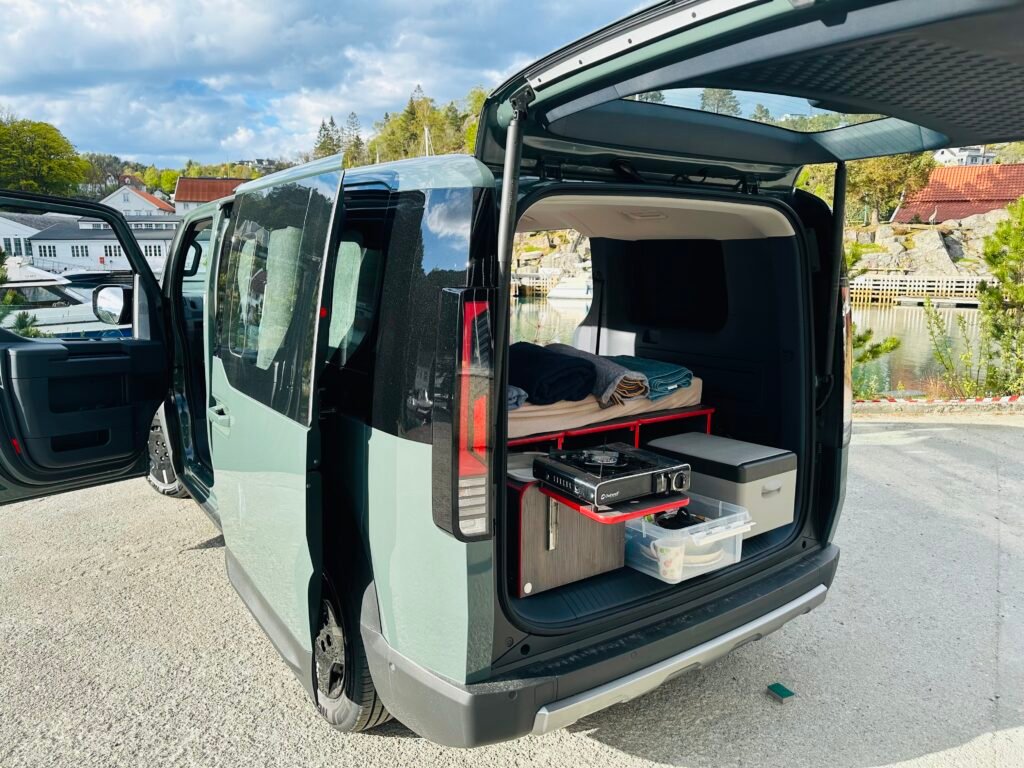
Managing Transit Logistics and High-Altitude Infrastructure
Every region in Europe features distinct geographical layouts and highway safety expectations. For example, if your travel plans include exploring northern alpine routes or coastal mountain passes, checking real-time road closures, seasonal ferry schedules, and active infrastructure updates via the official Norwegian Public Roads Administration or matching European transport portals keeps your trip safe. Staying informed about regional road conditions prevents major delays and ensures an uninterrupted vacation itinerary.
Furthermore, selecting the perfect regional starting point is vital for a successful holiday setup. If you intend to begin your road trip along northern coastal routes, you can view available vehicles, browse fleet layouts, and secure your reservation at Campervan Bergen, providing a premium, fully equipped starting base camp to explore spectacular fjords and high-altitude mountain highways safely throughout the peak holiday seasons.